Customs generates N1.3trn in 2 months
David Adebayo
The Nigeria Customs Service (NCS) has generated N1.38 trillion in the same period between July and August 2026.
It also seized smuggled goods with a combined Duty Paid Value of N61.3 billion between July and August 2026.
The Customs National Public Relations Office, DC Abdullahi Maiwada, disclosed this at a joint security and law enforcement agencies briefing in Abuja on Tuesday, adding that Customs processed 90,985 Single Goods Declarations (SGDs) and 8,873 Pre-Arrival Assessment Reports (PAAR) during the two-month period.
Maiwada stressed that the revenue collected was N784.66 billion in July and N595.58 billion in August, noting that the Apapa Area Command recorded a historic N323 billion monthly revenue in July before setting a new single-day record of N28.1 billion on August 18, 2026.
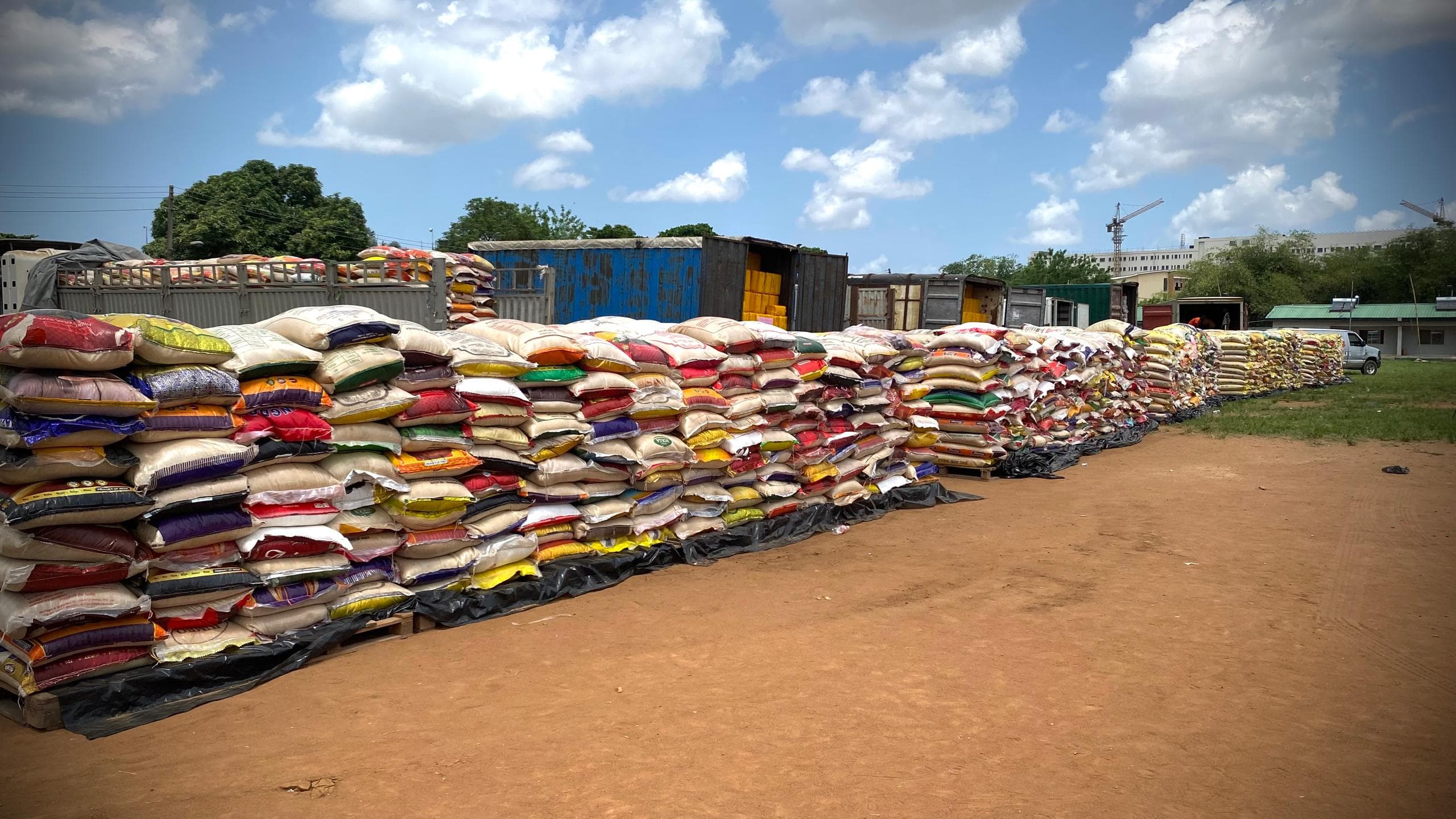
Maiwada added that Customs also intercepted goods worth N3.24 billion in Zone A, recovered N728.98 million in lost revenue and seized 1,439.9 kilogrammes of synthetic cannabis, saying that other seizures included controlled tablets, rice, sugar, cannabis, expired noodles, and 310,000 sticks of cigarettes, among others.
He noted: “The NCA also sustained its fight against smuggling, arms trafficking, narcotics, money laundering, terrorism financing, and wildlife trafficking, saying that the enforcement operations by area commands and Federal Operations Units (FOUs) yielded seizures valued at more than N61.3 billion.”
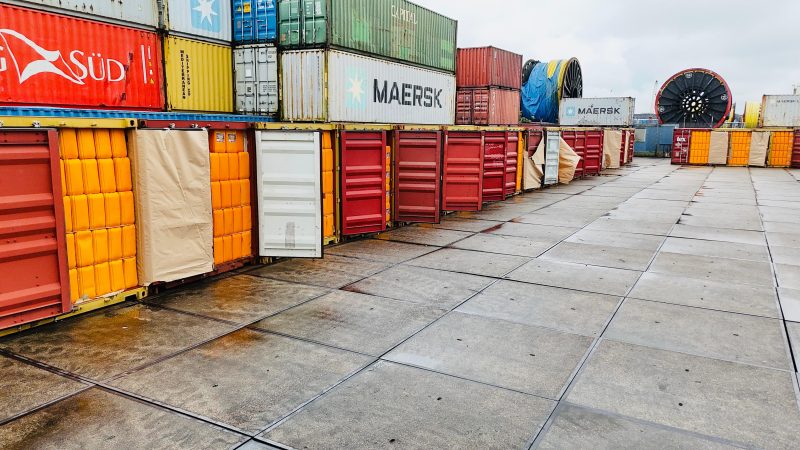
Maiwada stressed that a major breakthrough was recorded on August 17, when Customs intercepted 399 Jojef pump-action rifles and 535 firearm components at Tin Can Island Port, adding that the recovered firearms were handed over to the National Centre for the Control of Small Arms and Light Weapons (NCCSALW) for further action.
He added that two suspects connected with the arms consignment were remanded for further investigation.
He said: “This operation underscores the Service’s expanding role in preventing the movement of illicit arms and other security-threatening commodities through Nigeria’s ports and borders.”